Call me: 07506730300
email: info@KarlBaker.com

Mobile Phone Photography at Weddings: Capturing Unforgettable Moments with the New iPhone
I've always wanted to capture a wedding with my iphone to see whether I could do a great job on a full day of wedding photography! With the rapid advancements in smartphone technology, mobile phone photography has emerged as a viable option, even for weddings.
The Quality of iPhone Cameras:
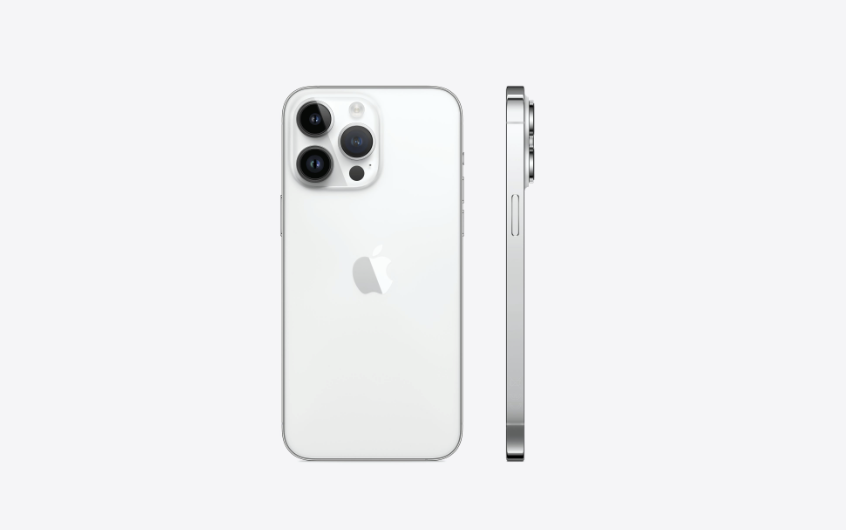
Gone are the days when mobile phone cameras were considered inferior to dedicated professional cameras. The latest generation of iPhones boasts remarkable camera capabilities, rivaling some professional cameras in terms of image quality. The key to their success lies in a combination of high-quality sensors, advanced image processing algorithms, and powerful lenses. Modern iPhones, such as the iPhone 13 Pro, are equipped with multiple cameras, including a primary wide-angle lens, a telephoto lens, and an ultra-wide-angle lens. These lenses enable photographers to capture a variety of perspectives and compose their shots creatively. The quality of images produced by these cameras is impressive, thanks to advancements in sensor technology and the ability to shoot in RAW format, providing greater control during post-processing.
Mega Pixels and Image Resolution:
When it comes to mobile phone photography, the number of mega pixels has often been a point of contention. However, it is essential to understand that mega pixels alone do not determine the overall image quality. While professional cameras may have higher mega pixel counts, the image processing capabilities of iPhones compensate for this difference. The latest iPhone models offer cameras with 12-16 mega pixels, which is more than sufficient for capturing stunning wedding photographs. These cameras excel in delivering exceptional dynamic range, accurate colors, and sharp details. It is crucial to remember that the overall image quality is a result of the interplay between mega pixels, sensor size, image processing, and lens quality. iPhones strike a perfect balance in these aspects, resulting in impressive images.
Overcoming Zoom Limitations:
One challenge often associated with mobile phone photography at weddings is the limited optical zoom capabilities. Unlike professional cameras with interchangeable lenses, iPhones have fixed lenses, which can limit the ability to zoom in on subjects from a distance. However, there are workarounds to overcome this limitation.One solution is to make use of the telephoto lens available on certain iPhone models, such as the iPhone 13 Pro. This lens provides a 2x optical zoom, allowing photographers to get closer to the subjects without compromising image quality. Additionally, digital zoom can be utilised effectively by taking advantage of the high-resolution images captured by the iPhone's primary camera. While digital zoom may result in a slight loss of quality, it can still deliver satisfactory results when used conservatively.
Creative Alternatives to Macro Lenses:
Macro photography, with its ability to capture intricate details up close, is often desired at weddings especially when shooting the little details during bride and groom prep. While professional macro lenses are available for dedicated cameras, iPhone users can still achieve impressive macro-like shots using alternative techniques. One technique is to utilise the iPhone's built-in digital zoom feature in combination with macro attachments or lenses specifically designed for mobile phones. These attachable lenses can be easily mounted over the iPhone's camera module, allowing for extreme close-ups and enhanced magnification. They come in various options, such as clip-on lenses or lenses that can be affixed directly to a phone case. Another approach is to explore the power of cropping during post-processing. Since iPhones capture high-resolution images, cropping can be employed effectively to isolate and magnify specific details within the frame, creating a pseudo-macro effect.